Godfrey Logo
About Us  |  Contact Us  |  B2B Insights Sign-Up SEARCH
Top Right Corner Fade
B2B Insights Blog
B2B Insights Blog
integration
July 23, 2008 | 8:54am
What is creativity? (Melissa Zane)
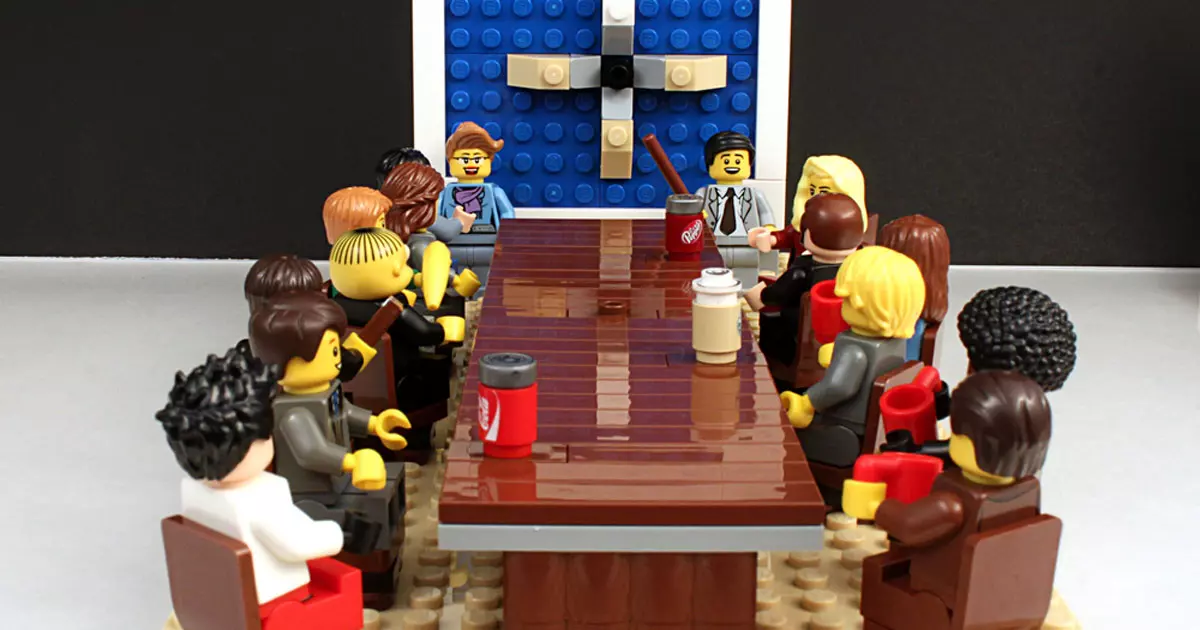
What is creativity? I would love to hear everyone's opinions on creativity and what you feel is creative from a B-to-B perspective?

Wikipedia's definition:
"Creativity (or "creativeness") is a mental process involving the generation of new ideas or concepts, or new associations of the creative mind between existing ideas or concepts."

I believe that what is highly creative starts with a big idea--which encompasses a simple powerful message, well written, a powerful image (if applicable), is memorable, has a strong call to action, and allows the end user to complete a thought effortlessly.

The big idea -- when integrated across the traditional and 2.0 landscape, with the ability to attract attention, interact, and engage an audience where they live, in a program -- is so exciting.

---More---
June 25, 2008 | 11:45am
I’ve never been a “GE glorifier”, but I have been paying a little more attention to GE lately, as a student of business. Specifically, the strategic leadership of CEO Jeffrey Immelt. In my opinion, he's finally stepped out of the giant shadow of his predecessor and mentor, Jack Welch. Since December 2002, Immelt has sold off more than $75 billion in GE businesses such as its plastics and insurance units, and most recently, appliances (a business once synonymous with its brand name) while spending more than $50 billion on acquisitions in faster-growing sectors including wind power and aviation. Strategy in action.

Mr. Immelt has a very good sense of what he wants the GE brand to stand for going forward - innovation in emerging businesses in the 21st century (for now, that means big investments in health-care and energy.) Much of the growth in GE’s strategy will come
---More---

May 13, 2008 | 9:27am
Lately I’ve been riding the bus to work, trying to save on gas. A fringe benefit is that I can listen to podcasts on my MP3 player.

Many B-to-B marketers (including some of our clients) are using podcasts to reach specific audiences who want to be informed. It’s a great tool for companies to establish thought leadership. However, you should avoid the temptation to record a blatant product pitch or “audio brochure.” Instead, content should meet the audience expectation that they’ll learn something new.

Your podcast needs to be educational and entertaining. The sales pitch can come later, when the listener chooses to take the next step and request more information (maybe even in exchange for their e-mail address).

First and foremost, a podcast should deliver useful information.
---More---
May 8, 2008 | 8:40am

More sophisticated sites offer product comparisons and tools that enable customers to better choose their own solutions. But even something as simple as a brochure, offered as a free downloadable pdf, can go a long way towards deepening the relationship between you and potential customers.

As you provide customers with tools and information, remember to instill a level of confidence. Customer testimonials are helpful, but only if they are genuine and presented well.

Validation from outside sources, like trade organizations and government agencies, also goes a long way toward instilling confidence in your company. Consider including their logos on your Web site where visitors will see them.
---More---

April 2, 2008 | 10:39am
Integrated Machine (Lynne Marie DeMers-Hunt)
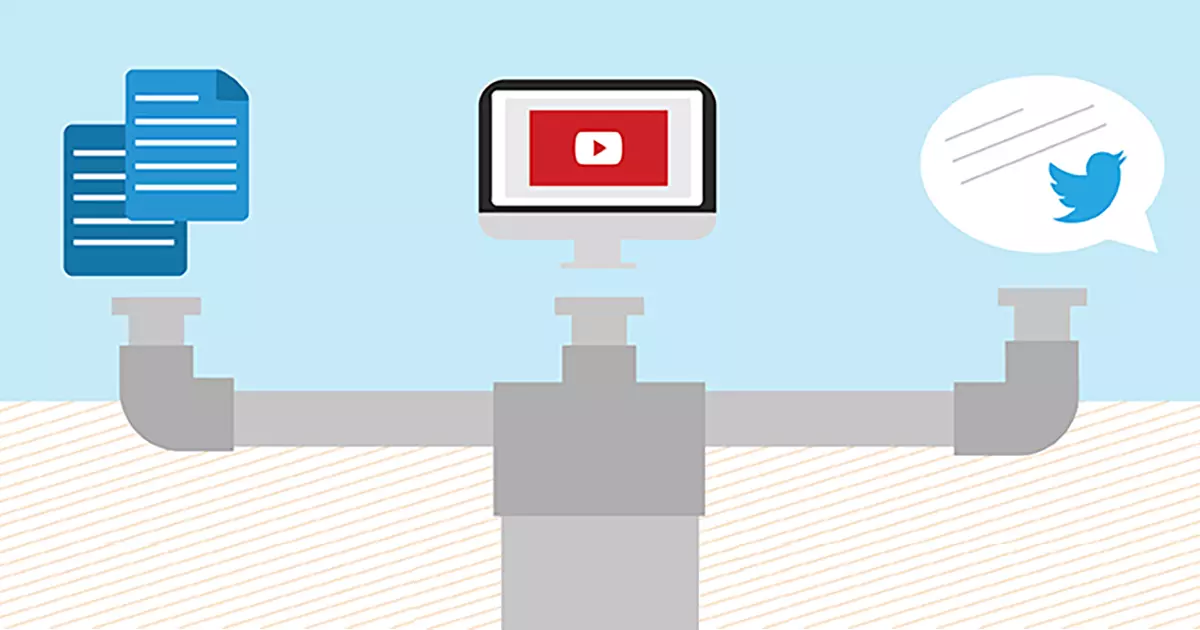
Integrating your marketing 2.0 efforts cannot be overlooked nowadays. Search, social media components, email and direct mail all need to work together to help the customer along the buying process. Each element in itself does some pretty heavy lifting, but combining them to work in conjunction, you develop an assembly line of integration.

For example, some B2B companies are not only sending targeted emails to potential customers, but including blog elements into their campaigns. A simple combining of technologies not only allows them to reach and listen to their audience, but helps build a community – a community who likes to talk to each other.  They have been able to reach an audience they did not directly target and find out more than they originally expected. When you add a search element into the mix, you drive even more traffic to the community.

Following up your efforts with the correct analysis and constant realignment will have your
---More---
March 18, 2008 | 9:38am
I’m back in the creative seat again. I volunteered to step in and head our creative staff after we agreed Jim Everhart, my predecessor, should spearhead our hyperintegration efforts.

I’m looking at things from a slightly different perspective now – a perspective of someone with a lead “creative” title and responsibilities. As I remove my account manager hat, something strikes me. We creative folks have more tools at our disposal – blogs, podcasts, email marketing, and the list goes on. Our primary function has always been to think of new and unique ways to tell our client’s story, demonstrate a benefit and craft compelling ways to reach out to a marketer’s various constituents – engineers, channel partners, integrators, other influencers and ultimately, end-users.

Sure, we still need to apply our traditional creative skills, but we now have these new, exciting tools at our disposal.
---More---
March 3, 2008 | 8:57am

Once you get customers to your site, make sure it’s a site you’re proud of. Keep it clean and uncluttered. First impressions are important and provide opportunities to immediately engage visitors with information that meets their needs.

Begin by providing a brief description of who you are, including the products and services that you offer, along with language that relates to the visitors need or problem. Don’t give people a reason to leave your site too early. Addressing their “pain issues” up front rather then burying them deeper in your site will encourage visitors to stay longer. Avoid industry speak, and keep your history and mission statement off the home page, reserving this valuable real estate to tell visitors how you can help them. Make the site easy to navigate and the source of relevant content that is short, simple and to the point.
---More---
February 20, 2008 | 11:09am
It's Hip to Be Social (Steve Graham)

For the past year, Godfrey has been educating and counseling clients about the “new wave” in public relations – Convergent PR.  If you’re not familiar with the term, here’s a brief definition: It’s a blending, or convergence, of traditional PR tactics (e.g., press releases, press kits and trade show support) with new social media PR techniques (e.g., blogs, podcasts, videocasts and social media press releases).

Some of our clients jumped on the Convergent PR bandwagon right away.  (We’re thrilled.)  Others are still trying to understand how Convergent PR works and how it can complement their “hyperintegrated” marketing communications programs.  (In this respect, we see ourselves as educators and advisors.)

Of course, Godfrey isn’t the only entity that sees a convergence of traditional (print) media and social (online) media. 
---More---

February 18, 2008 | 3:29pm

In the Internet age, consumers like to comparison shop. Help them make better decisions with a robust Web site.

Today, when most people want information, they go to the Web – to educate themselves, to look for solutions or to compare companies and products. Often they may be ready to buy, based on the information they find. That’s why it’s so important to design a Web site that includes all the information customers need at any stage in the buying process. 

Your Web site is your electronic storefront and as such, it should accomplish three things. First, it should be easy to locate. You can invest thousands of dollars on the best Web site in the world, but if you don’t drive traffic to it, the site won’t do you much good.

Second, your Web site should position your
---More---

January 29, 2008 | 9:29am
Some SEO Basics (Mike Wayde)

While Search Engine Optimization (SEO) is a good investment, it won’t make a significant difference in your site’s performance if you don’t follow some basic principles.

Rule number one is about knowing the right words. A good SEO partner will have the tools to evaluate the right keywords that your audience is using to search for you. Just because you think your audience will search for you using a particular keyword or phrase, doesn’t mean that they will. Proper research will go a long way towards reaching your full audience.

Rule number two is all about content. Just putting in keywords will only get you so far. If you don’t implement a process for continuously updating your site’s content, then your audience won’t return to your site, and neither will the search spiders that visit your site to determine your search rankings.

Rule number three is giving your audience what they are looking for.
---More---


Corner Cut      
Bottom Corder Fade   Bottom Right Corner Fade
  RSS  |  Client Extranets  |  Site Map  |  Terms & Conditions  |  Home
© Godfrey     http://godfrey.com/404error.aspx