September 25, 2008 | 10:14am
The Path to Retention (Lynne Marie DeMers-Hunt)
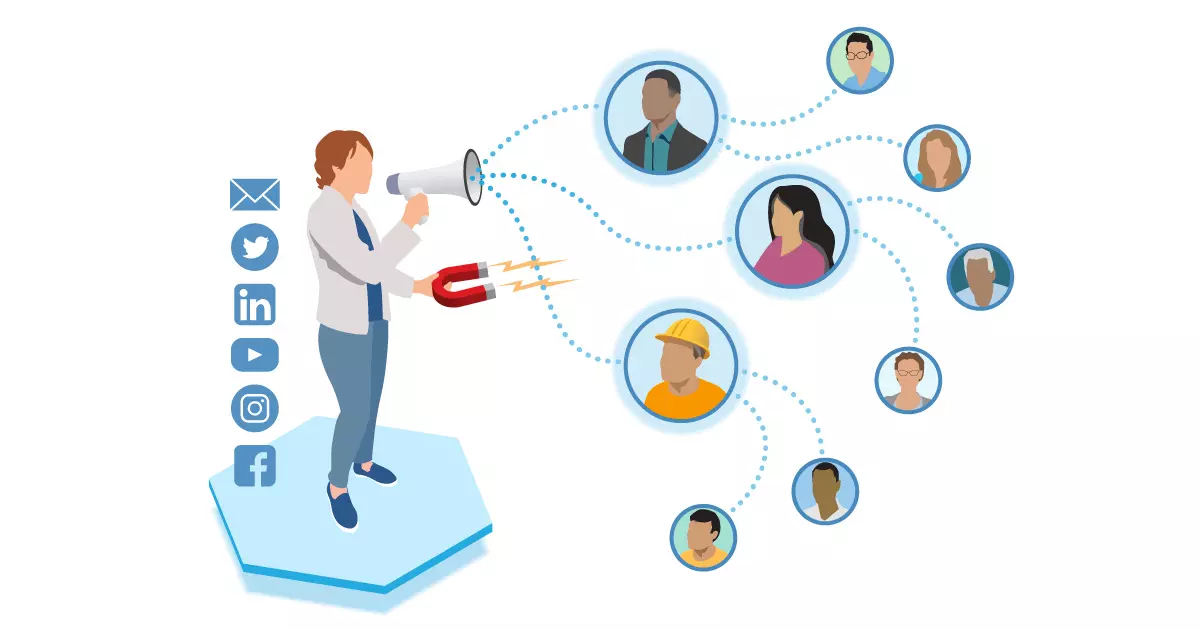
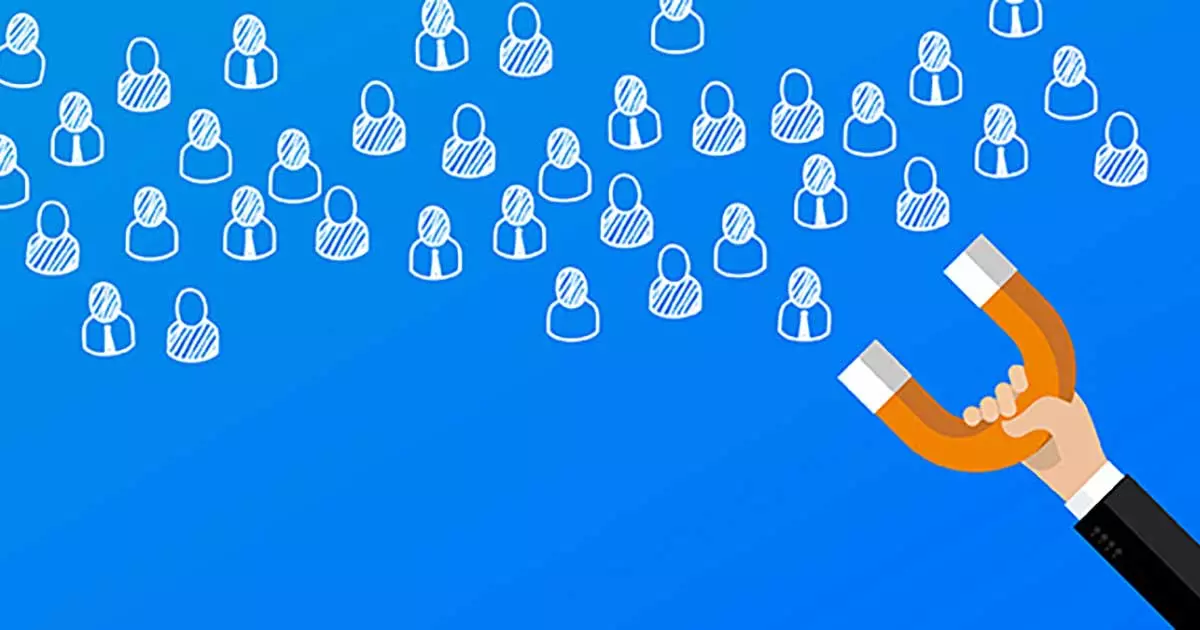
 Today’s customers in the B2B market are increasingly savvy and have high expectations. They will not tolerate negative experiences or inconsistencies across channels. Successful B2B marketers need to understand that it's no longer about simply pushing the products they produce, but also outwardly addressing their customer’s needs at the center of the buying experience. So how do you “pull” instead of “push”? You need to understand and capture the customer’s needs and preferences – valid research and utilizing a hyper-integrated method of marketing throughout the buying cycle is a must. The customer’s experience must be optimized for the specific need at that specific moment, on their progression toward purchase. B2B marketers need to listen, gather feedback, and adjust to each changing phase. ---More---
|
July 23, 2008 | 8:54am
What is creativity? I would love to hear everyone's opinions on creativity and what you feel is creative from a B-to-B perspective? Wikipedia's definition: " Creativity (or "creativeness") is a mental process involving the generation of new ideas or concepts, or new associations of the creative mind between existing ideas or concepts." I believe that what is highly creative starts with a big idea--which encompasses a simple powerful message, well written, a powerful image (if applicable), is memorable, has a strong call to action, and allows the end user to complete a thought effortlessly. The big idea -- when integrated across the traditional and 2.0 landscape, with the ability to attract attention, interact, and engage an audience where they live, in a program -- is so exciting. ---More---
|
June 30, 2008 | 11:04am
 The revolution in how people use media has ignited the upheaval in marketing communications strategy we are calling hyperintegration. It begins with media, but doesn’t end there. Time was, the job of media professionals was to make the best purchase among a limited number of advertising media. In the consumer world, that meant TV, magazines, newspapers, and radio. Maybe outdoor. In business-to-business, the range was even tighter: which trade journals fit the best and were the most cost-effective? The explosive growth not only in the number of options, but in their essential nature has changed the situation dramatically. A podcast offers informal, but personal, contact. A video shows rather than tells. A webcast demonstrates expertise. And it’s hard to beat search – paid or organic – for generating leads. The point is, it’s not just about reach and frequency any more. ---More---



|
June 23, 2008 | 2:54pm
We recently had a discussion with a vendor who, in the process of extolling his web analytics product, said his company’s technology went beyond clicks and conversions. That ended up being troublesome for two reasons: First, we’d be happy with reliable information on clicks and conversions, thank you. We’re not convinced we’re getting it from some of our existing resources. So we weren’t about to let a sales guy get away with changing the subject because he didn’t want to address our concerns. And second, he offered a solution that was even worse. His company’s megabucks solution, engagement mapping, would track the activity of individual site visitors and try to give appropriate “credit” to other media, like online ads that a visitor may have seen, instead of just the last click. That’s trying way too hard. It’s building a technology solution to a marketing question. ---More---
|