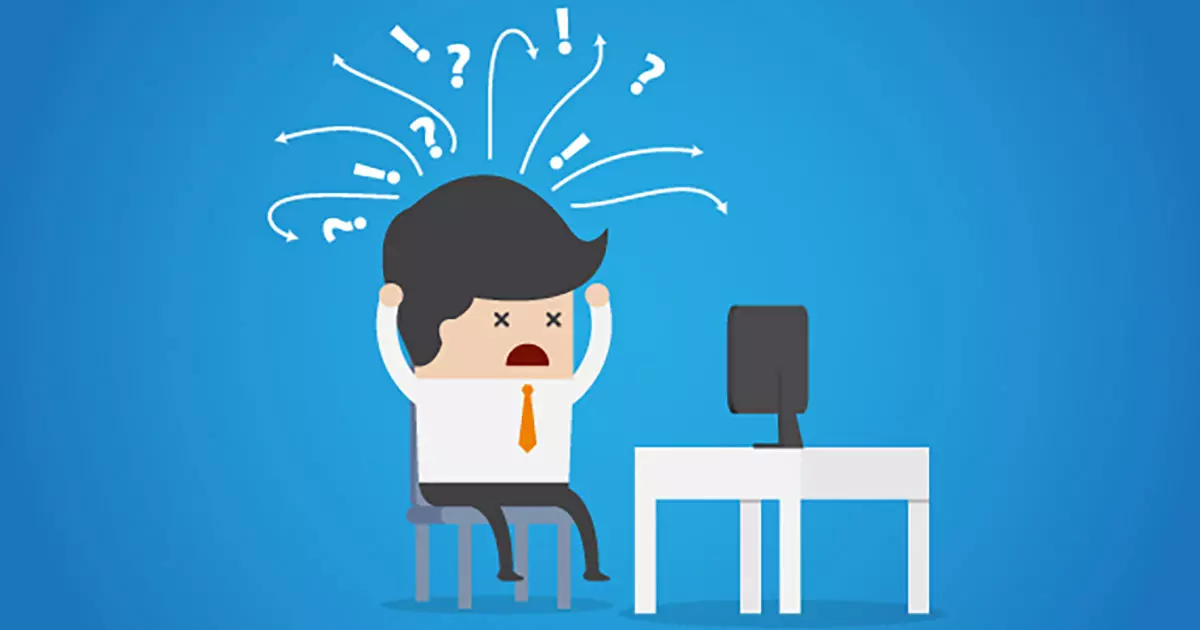
E-mail never takes a vacation. After a week out of the office, I came back to an overflowing inbox. Buried among the angry red urgent flags and endless conversation trails of my co-workers were my opt-in e-newsletters. As I began the battle against my inbox, I considered the plight of every e-mail marketer. What chance did these non-essential, preference-based communications stand among the mountain of the must-do-right-now tasks? What determined, my finger poised above the delete button, which marketer’s messages would be spared, and which ones sentenced to an unopened death?


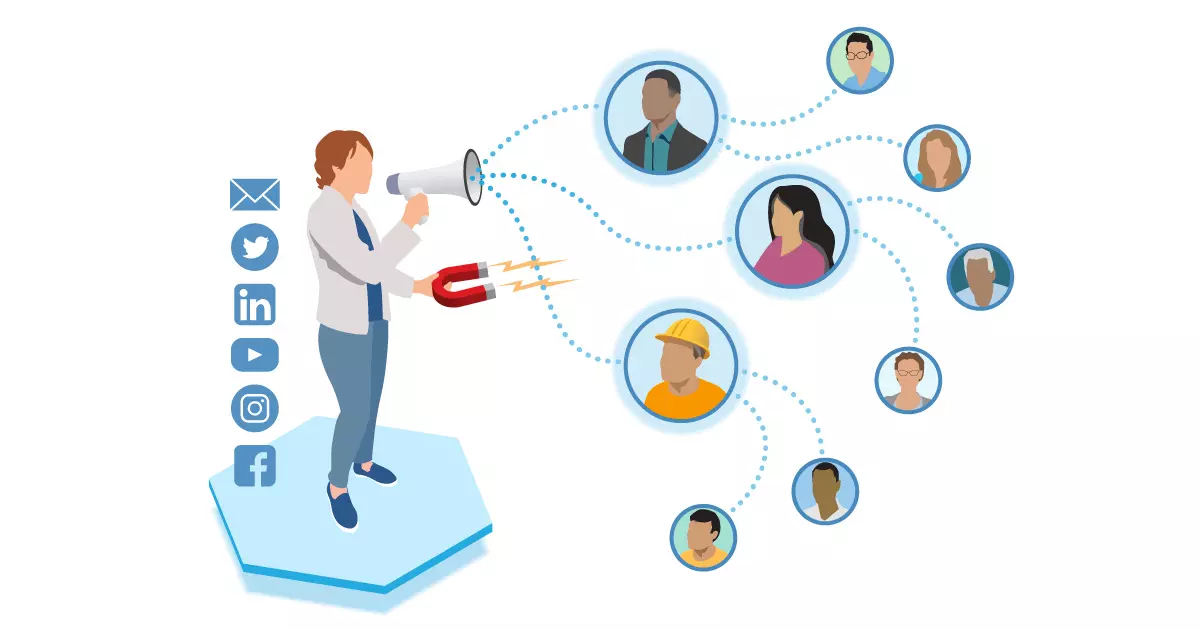
Here are some ideas on e-marketing tactics to increase your chances of inbox survival.
Break through the clutter.Make sure your subject line is short and demonstrates a reason to read the e-mail. The shorter and more compelling the subject line, the higher the response rate.
If you pass the open hurdle, remember that long e-mails without ways to break up the text, and no clear call-to-actions, get deleted. Keep the good stuff up top and make it obvious in a quick skim that the message is worth reading now or saving for later.
(Need some stats? A 2007
Marketing Sherpa study reported that 69% of at-work users view e-mail in preview panes. A 2007
Jupiter Research reported 35% of users opening messages because of what was contained in the subject line.)
Be relevant and consistent.Meeting the subscriber’s expectations, and maintaining great content, goes a long way. If it’s a newsletter I’ve been receiving for some time, and I always find something good in it, I won’t just delete it without at least taking a peek. If your message is weak or lacks value, your e-mail may be instantly deleted.
Be unique and create a reason to respond.Meet your subscriber’s expectations for content, but offer something different to get a response. A white paper is great, but it’s not anything new. Consider a special perk, whether for pricing on an item or an invitation to a special event. You’ll create a sense of urgency or increase the chances that your message will get saved and read later.
Respect the audience’s time.Regular communications are important, but overwhelming the subscriber with e-mails, even if the content is valuable, may result in subscriber fatigue. Too many communications in too short a period of time can backfire. A stack of e-mails--whether from a marketer or a co-worker--creates the same overwhelmed feeling.
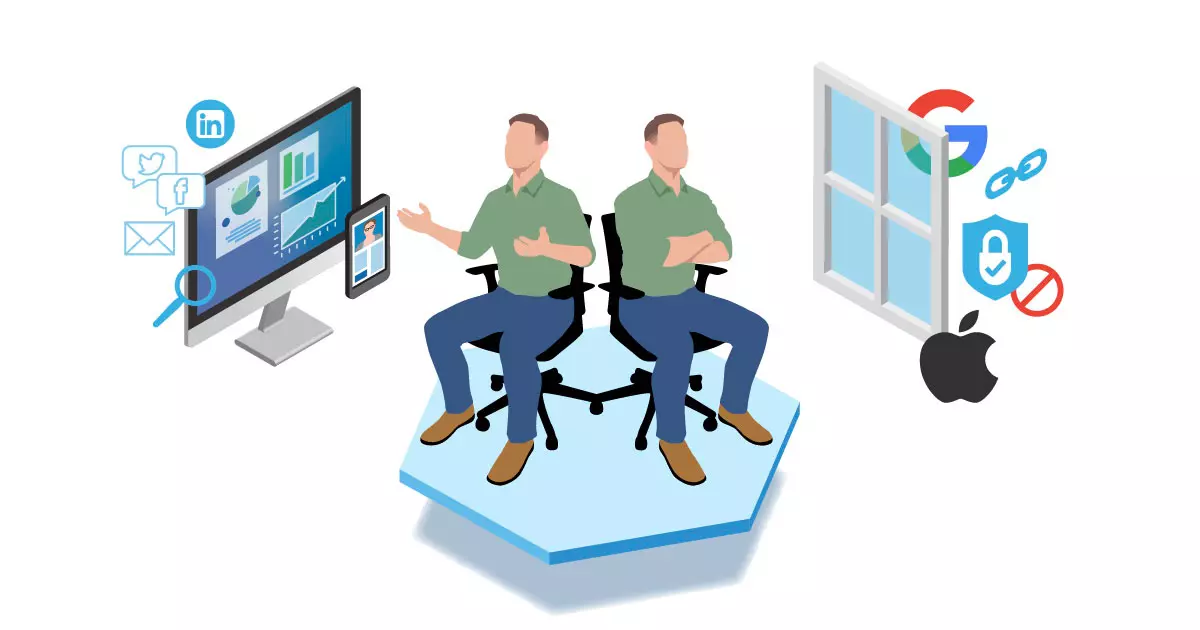
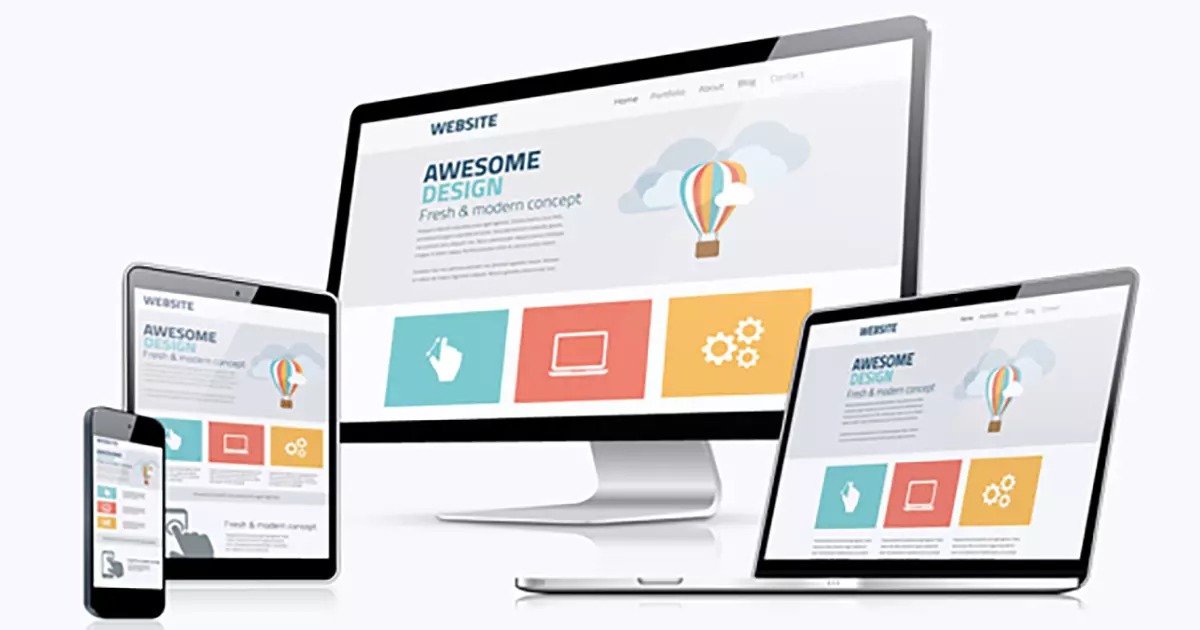
One design doesn’t fit all.I have been known to peek at my inbox before my vacation is officially over. (Assessing the damage before the vacay buzz dies.) If you aren’t designing your e-mails for mobile devices or in text-only formats, your message may not be well received. (Image blockers rule. And with more than 65% of users checking in via mobile devices, those short subject lines become even more important.)
Is timing everything?Even if you’ve done all of the above, can timing make or break your e-marketing success?
E-marketers have been told that Tuesday through Thursday are the best times to deliver e-mail. (Given how my Fridays and Mondays usually go that makes sense, except now everyone is competing for attention during those peak days.) But how I attack my inbox, regardless of day and time, or whether I’ve been on vacation, doesn’t apply to everyone.
Instead of asking for a blanket answer about what to do, consider what you know about your b-to-b audience and what your e-mail is offering. Then consider, and test, what works.